
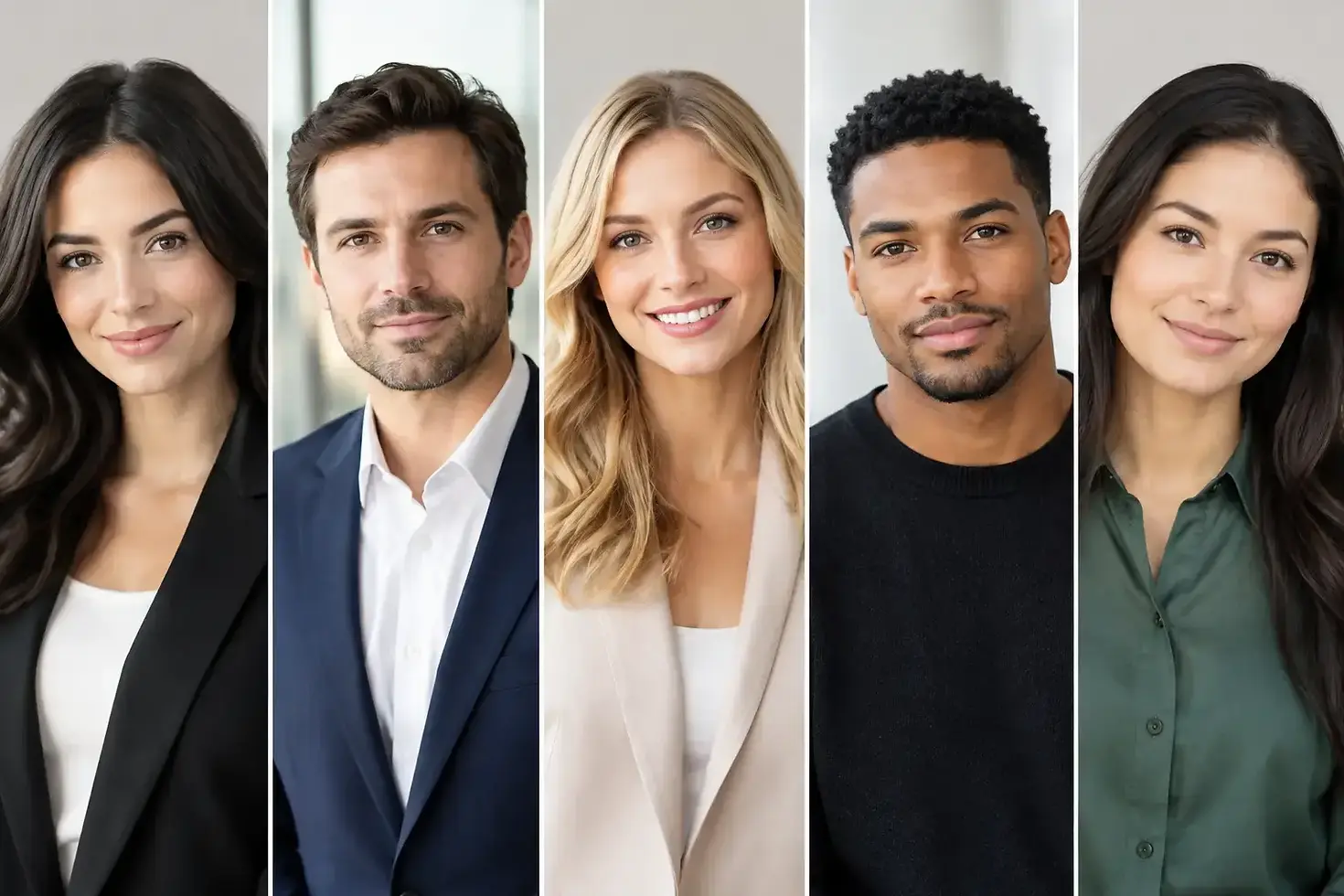
Best Wardrobe Styles for Headshots That Work
A great headshot can make you look capable before you say a word. But even beautiful lighting and a confident expression can be distracted by the wrong outfit: a busy print, an awkward collar, a jacket that pulls at the buttons, or a color that washes out your complexion. The best wardrobe styles for headshots are the ones that keep the attention where it belongs - on your face, your personality, and the message you want your image to send.
For a corporate profile, modeling portfolio, business website, or personal brand, your clothing should feel like an elevated version of what you would naturally wear. You do not need to look overly formal or become someone else for the camera. You simply need choices that photograph beautifully and support the impression you want to make.
Start With the Purpose of Your Headshot
Before selecting a shirt or dress, consider where this image will appear. A LinkedIn profile, executive bio, casting portfolio, and creative business website all call for slightly different styling. Your wardrobe is part of your visual introduction, so the right choice depends on your industry and your goals.
Corporate professionals often benefit from tailored, classic pieces that communicate credibility. A structured blazer, polished blouse, crisp shirt, or simple knit top can look refined without feeling stiff. Entrepreneurs may have more room to show personality through texture, color, or a modern silhouette. Creatives and models can take a more fashion-forward approach, as long as the clothing does not overpower their features.
Think about the people who will see the image. If you want clients or employers to feel reassured, choose pieces that feel dependable and well finished. If you want to appear approachable, a softer color and less formal neckline can help. The strongest headshots align your wardrobe, expression, and professional identity.
Best Wardrobe Styles for Headshots: Keep It Simple
Headshots are close portraits. That means small details become very visible, while full outfits are often only partly shown. A clean neckline, great fit, and flattering color usually matter more than an elaborate look.
Solid colors are almost always a reliable choice. Deep blue, charcoal, emerald, burgundy, soft cream, rust, and muted pink can create richness on camera while keeping the image timeless. The ideal shade depends on your skin tone, hair color, and the background of the shoot. A photographer can help you make that final call, especially when studio lighting is involved.
Very bright white can sometimes reflect light onto the skin or lose detail under strong lighting. Black is elegant and powerful, but it can appear heavy against a dark background or hide the shape of your clothing. Neither is automatically wrong. They simply work best when the lighting, backdrop, and styling have been planned to support them.
Avoid neon shades, large logos, bold slogans, and high-contrast patterns. These details can date an image quickly and pull focus away from your eyes. Fine stripes and tiny checks may also create visual distortion in digital images. If you love prints, bring one subtle option as a backup, but make a solid-color look your primary choice.
Choose a Neckline That Frames Your Face
The neckline is one of the most important parts of a headshot wardrobe because it sits directly beneath your face. A V-neck can create a slightly longer, more open line. A crew neck feels clean and modern. A collared shirt adds structure, while a modest scoop neck can look warm and approachable.
For women, simple dresses, fitted blouses, elegant tops, and blazers are dependable options. Avoid necklines that require frequent adjustment or feel too revealing for the purpose of the portrait. You should be able to sit, turn, and smile naturally without worrying about your outfit.
For men, a well-fitted button-down shirt, knit polo, crew-neck sweater, or blazer can photograph beautifully. A tie is useful when it reflects your profession or personal style, but it is not essential for every business headshot. A tailored jacket over an open-collar shirt often creates a polished middle ground.
Fit Matters More Than the Label
Camera-ready does not mean overly tight. Clothing that is too fitted can crease, pull, or limit your movement, while oversized clothing may hide your shape and look untidy. Choose pieces that sit smoothly at the shoulders, fit comfortably around the chest, and allow you to move with ease.
Try your outfit on a few days before the session, not five minutes before leaving home. Sit down, lift your arms, and look at yourself in natural light. Check whether buttons gape, straps show, or fabric wrinkles easily. If you feel restricted or self-conscious, that feeling can appear in your posture.
Tailoring makes a meaningful difference. A modestly priced blazer that fits well will usually photograph better than an expensive one with sleeves that are too long or shoulders that do not sit correctly. The same principle applies to dresses, shirts, and knitwear.
Add Layers for Shape and Versatility
Layers give portraits dimension. A blazer, tailored jacket, cardigan, or overshirt can define your shoulders and add polish without making the image feel overly formal. They also make it easy to create a second look during the same session.
For professional headshots, consider bringing two or three coordinated options. You might begin in a blazer for a confident executive look, then remove it for a warmer and more relaxed portrait. Keep the base layer simple so both versions work well.
Texture can be attractive when it is subtle. Fine knitwear, matte fabrics, linen blends, and smooth cotton can add visual interest. Highly shiny satin, reflective sequins, or stiff synthetic materials are more difficult to photograph because they can catch light in unexpected places.
Match Your Wardrobe to the Background
Your clothing and background should complement each other rather than compete. Against a light studio backdrop, medium and deeper colors often help you stand out. Against a dark or moody background, lighter neutrals and richer mid-tones can bring balance to the frame.
Location headshots require a little more consideration. If you are photographed against Dubai architecture, a contemporary office setting, or an outdoor urban scene, choose colors that separate you from the environment. A beige outfit against a sandy facade, for example, may blend in too much. A contrasting but natural tone will give the portrait more presence.
Bring your wardrobe options on hangers if possible. At 4Dimensions Studio, the photographer can assess each piece alongside the chosen backdrop and lighting setup, then help you select the option that gives your face the strongest visual focus.
Keep Accessories Intentional
Accessories should complete the look, not become the subject. Small earrings, a watch, a delicate necklace, or a simple ring can add personality. Large statement jewelry can be wonderful for a fashion-oriented image, but it may feel distracting in a corporate headshot.
Glasses are also worth considering carefully. If they are part of your everyday identity, wear them. Just make sure the lenses are clean and that the frames feel current and comfortable. An experienced photographer can adjust angles and lighting to reduce reflections, but heavily tinted lenses are usually best avoided.
For hair and makeup, aim for a polished version of your normal style. Makeup that looks subtle in person can look especially flattering under professional lighting, while overly heavy contouring or glitter may not suit every headshot purpose. A little preparation helps you look rested and confident without losing the qualities that make the image feel like you.
What to Bring to Your Session
Bring at least two complete outfit choices, including underlayers and accessories. This gives you flexibility if one color is not ideal against the background or if a neckline photographs differently than expected. Steam or press clothing beforehand, and transport it carefully to prevent wrinkles.
If you are unsure between formal and relaxed, bring both. A blazer and button-down can cover professional needs, while a knit top or polished blouse offers a more approachable alternative. Your photographer can guide the selection once they see your colors, features, and intended setting together.
The most successful headshot wardrobe is not the loudest or most expensive one. It is the outfit that fits beautifully, feels comfortable, and lets people see you clearly. When you feel at ease in what you are wearing, your expression softens, your posture improves, and the camera captures a portrait that feels both polished and genuinely yours.


Comments